Santa Teresa
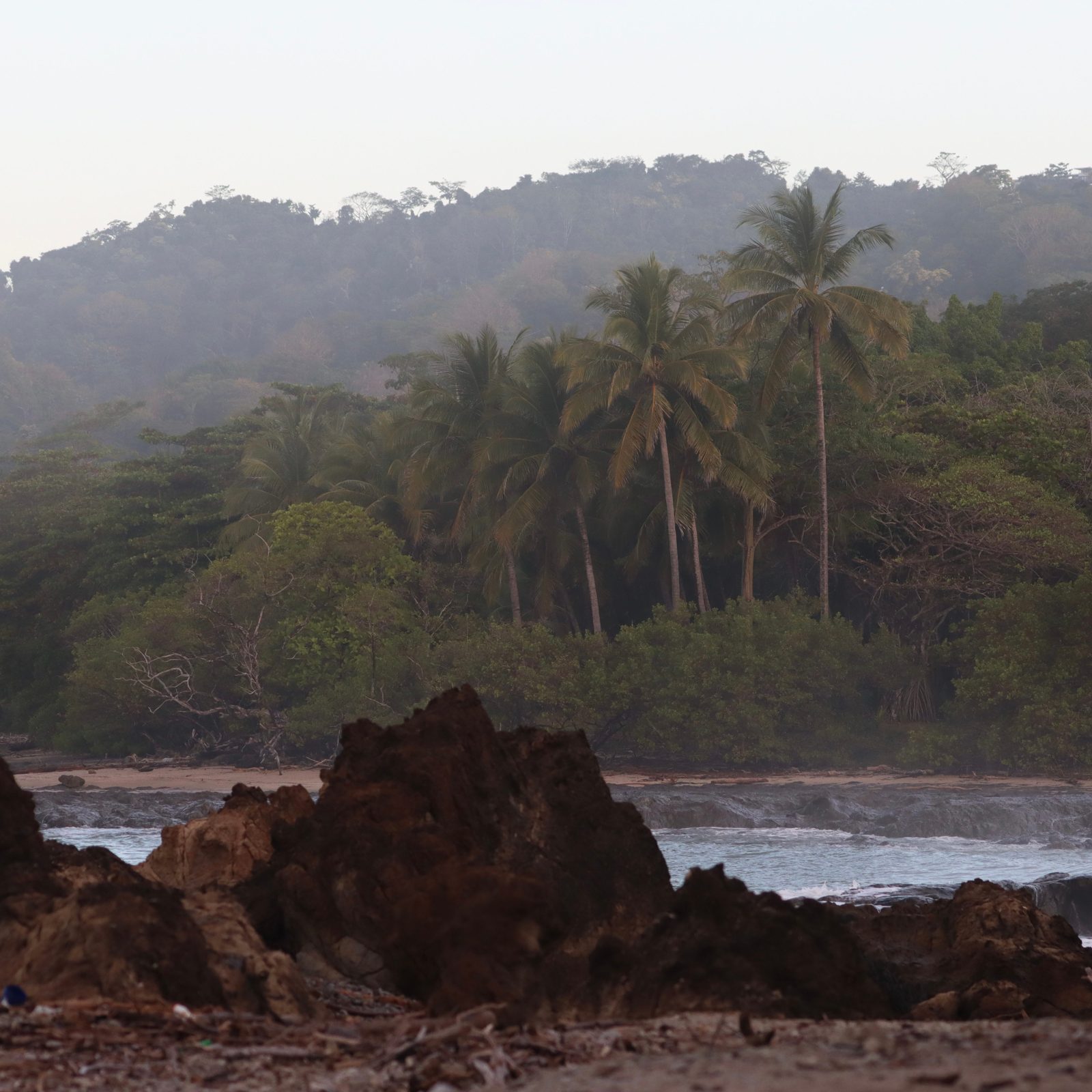
A small surf town where the jungle runs right down to the sand. Dirt roads, howler monkeys at sunrise, long empty beaches and the easy pura vida pace of Costa Rica.
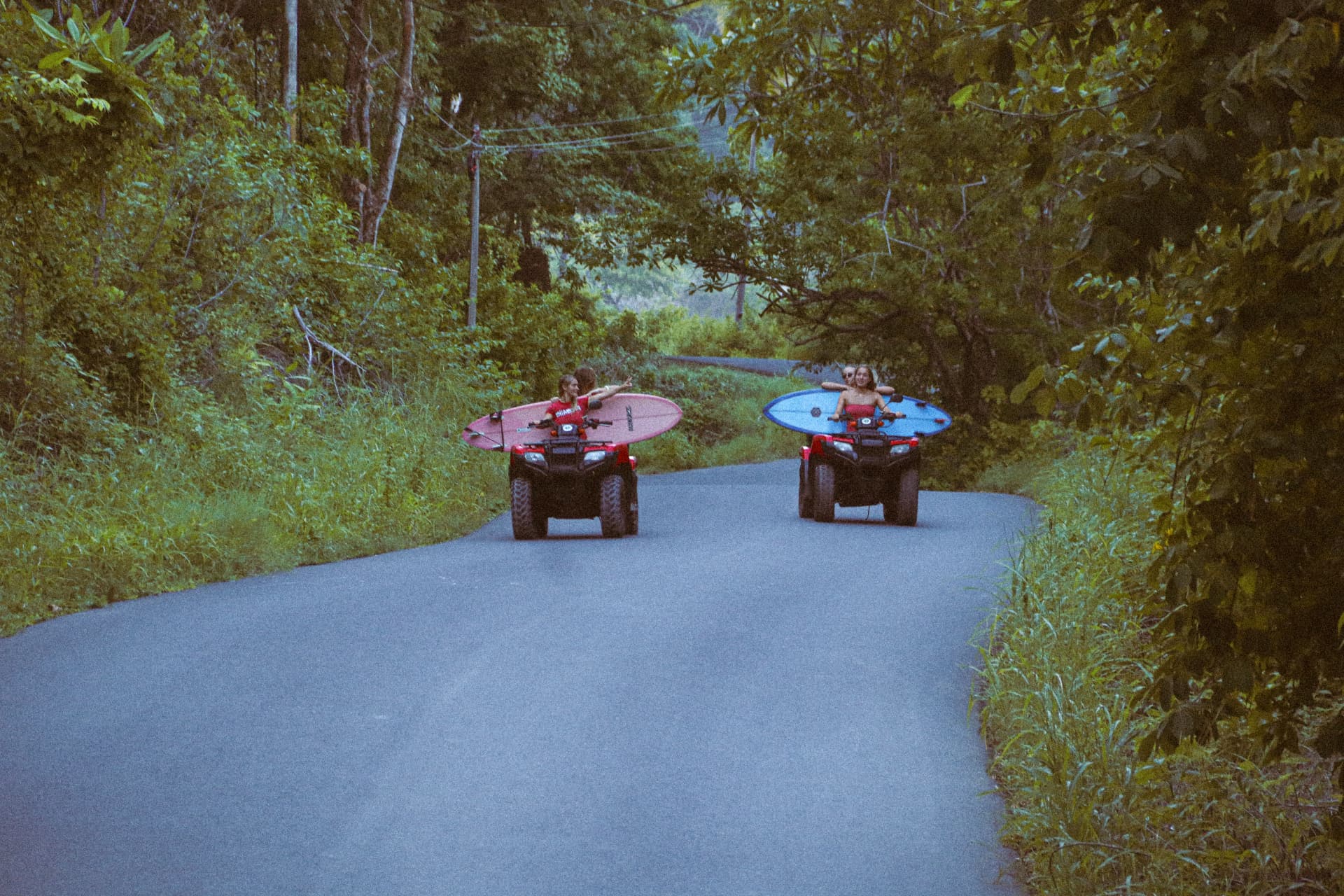
One long dirt road, jungle on one side, the Pacific on the other.
One long road
Santa Teresa is one long dirt road. Jungle on one side, the Pacific on the other.
It runs from Mal País through town to Playa Hermosa. Surf shops, cafés and studios sit along it, and little paths cut down to the sand.
Nobody rushes. Barefoot, salty hair, a scooter or an ATV to get around. Pura vida is just how the days go.
The beaches
Playa Carmen has easy waves and is where most people learn.
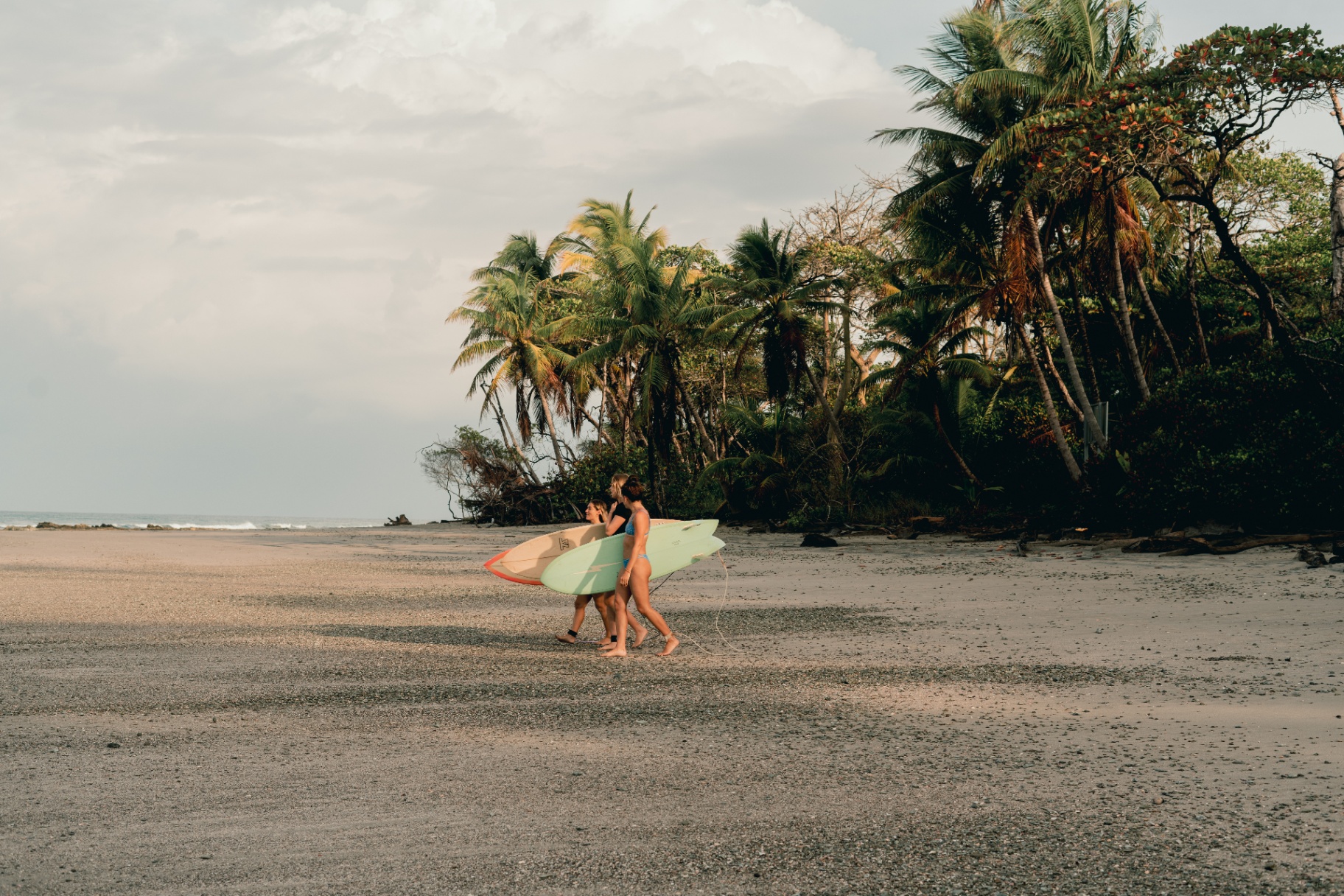
Santa Teresa is the main stretch, long and sandy with peaks all the way along.
Playa Hermosa is wide, quiet and perfect for a long walk.
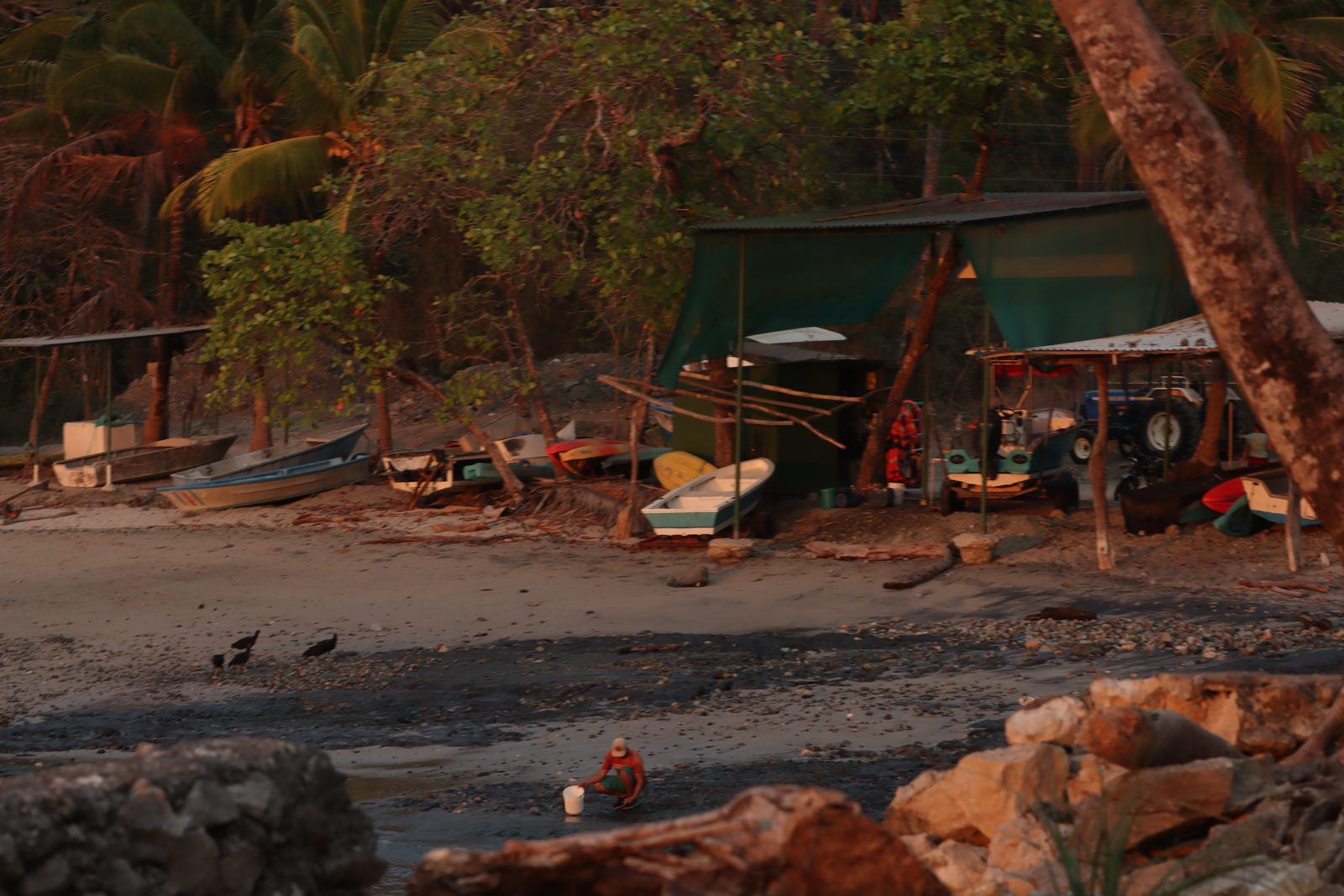
Mal País has rocky coves and tide pools at low tide.
Manzanillo, further north, is reef, palms and the best sunsets.
Over on the other side of the peninsula there is Montezuma, Cabuya and Curú. Calmer water, river mouths and a whole different feel.
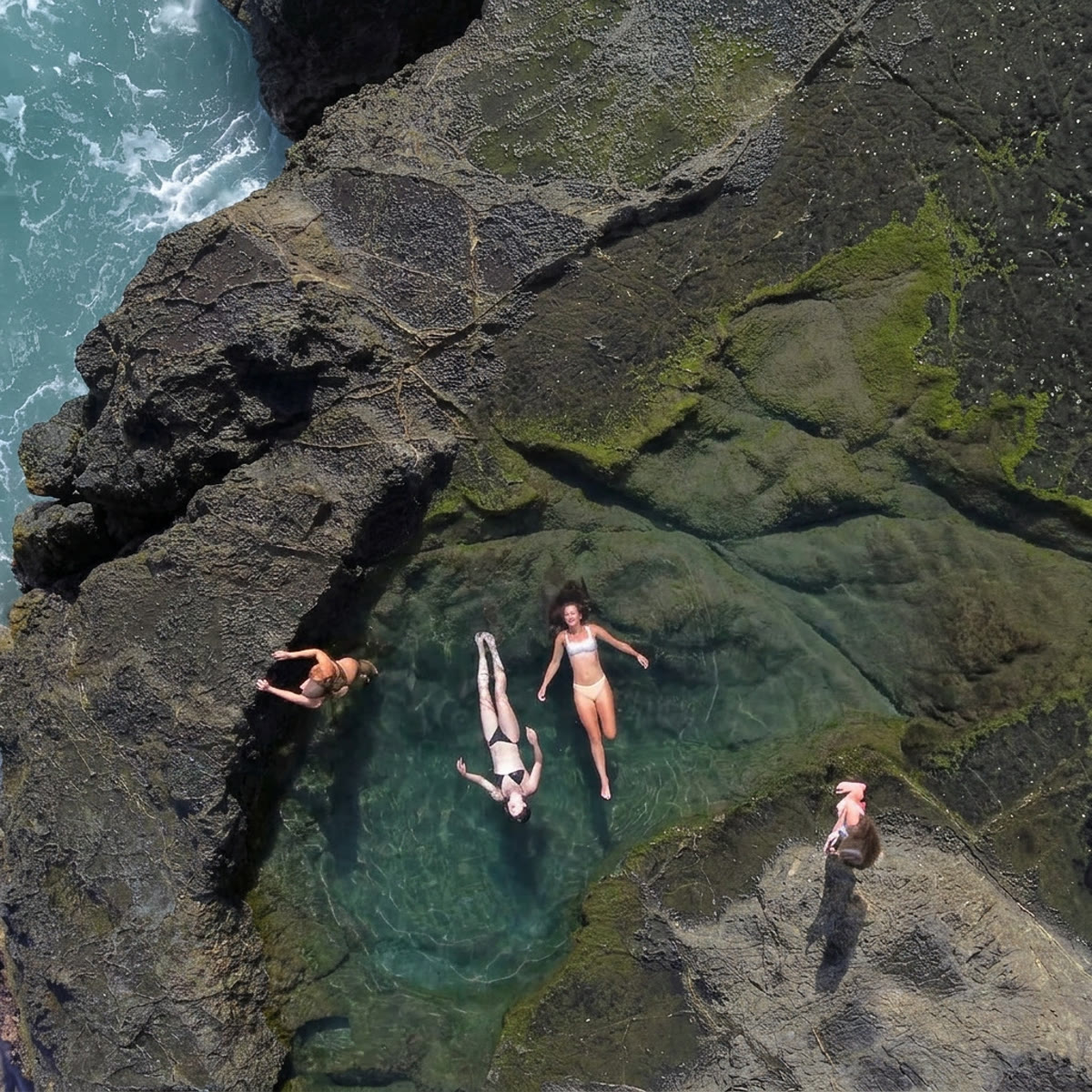

Snorkelling and tide pools
When the tide drops, the whole coastline fills with tide pools, from Mal País all the way to Hermosa. Warm, clear water to float in, little fish to look for, or nothing to do at all.
Down the coast at Cabuya the water clears and the snorkelling is lovely on a calm day.
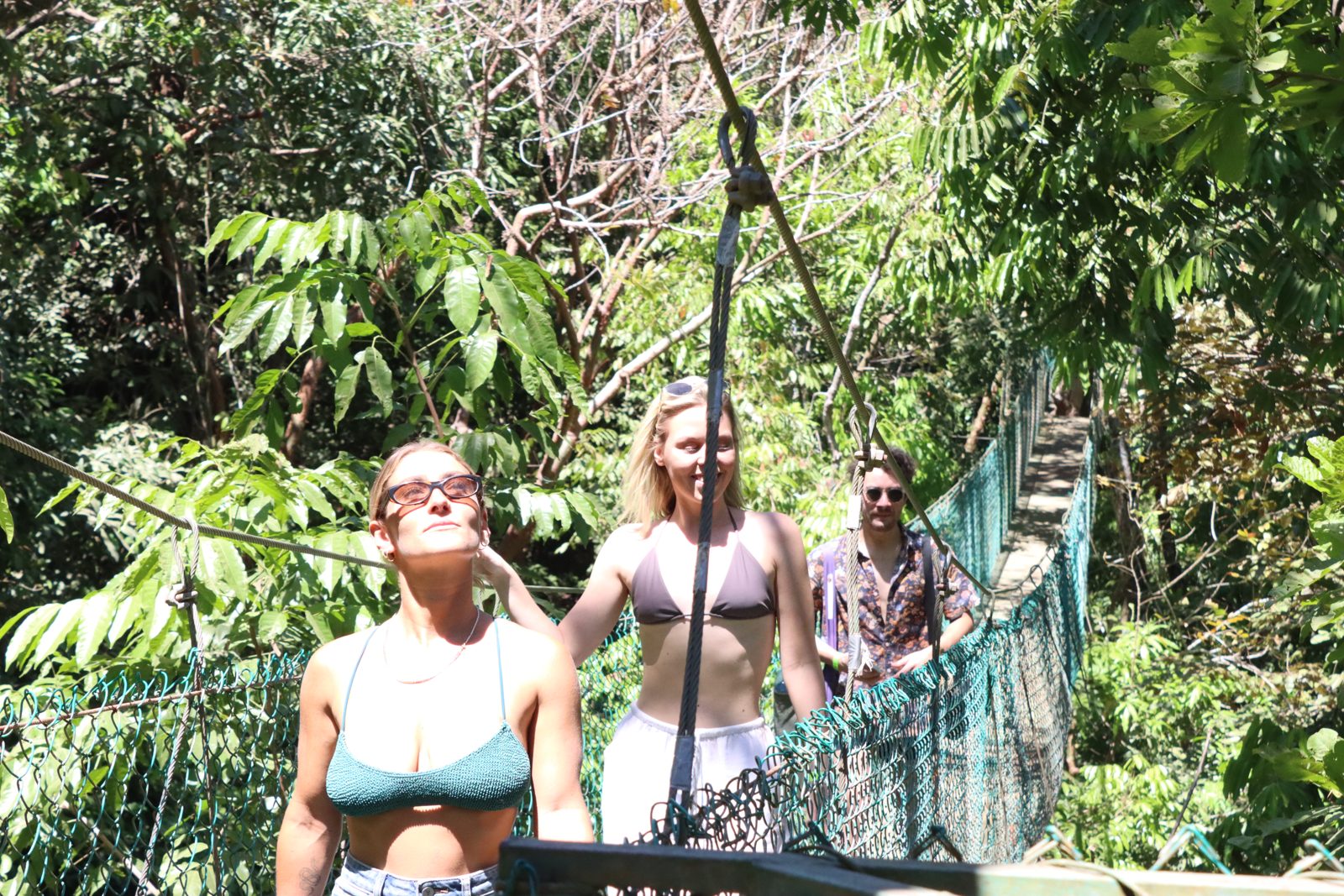
Waterfalls and Cabo Blanco
Swim under the Montezuma falls, or head into the jungle for the quieter ones hidden up the river.
Cabo Blanco is Costa Rica's first protected reserve. A jungle trail takes you out to empty beaches, with howler monkeys and birds overhead.
Some trails cross hanging bridges high in the trees.
Wildlife
Costa Rica is one of the most biodiverse countries in the world. In Santa Teresa, you are living in it.
Howler monkeys, iguanas, parrots, rays and turtles, to name a few. Some days they wake you up, some days they swim past while you surf.
The jungle runs straight into the sea here, so nature is never far away.
Move and slow down
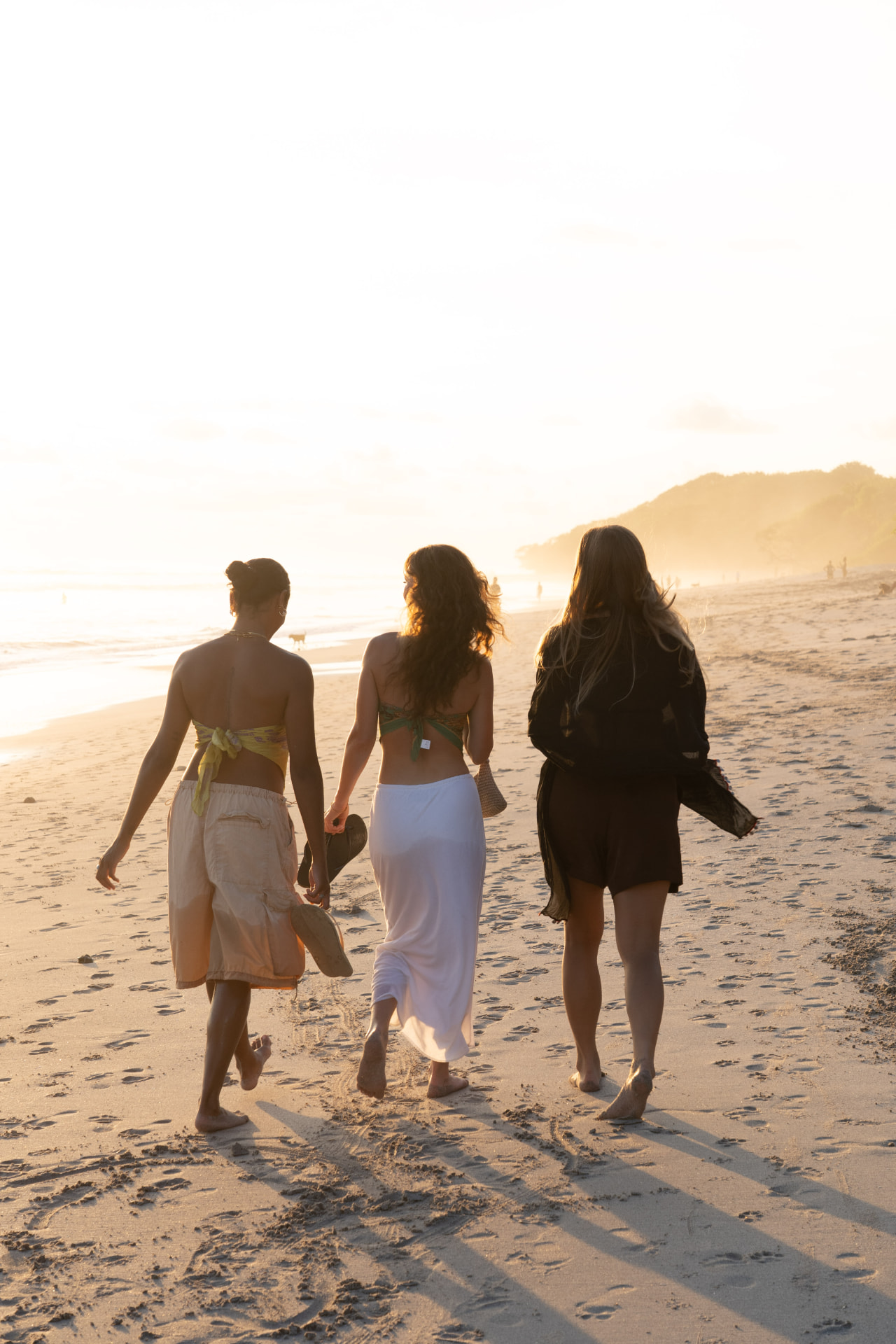
Life here starts early. A swim or a walk on the beach at sunrise, then coffee with sand still on your feet.
Along the road you'll find yoga, Pilates and movement studios, breathwork and sound sessions, and somewhere for a massage after a big surf.
Afternoons are for the hammock, a book and a nap. Or get out on the water: stand up paddle boarding, fishing with the locals, or a boat trip to spot whales, dolphins and turtles.
Rivers to swim in, waterfalls to find, empty beaches to yourself. Then everyone wanders down for sunset, every single day.
Slow days, warm nights
Gallo pinto and a casado at a local soda. Fresh ceviche from the market. Coconuts straight from the tree.
Jungle cafés for smoothies and long breakfasts, and restaurants with really amazing food for a town this small.
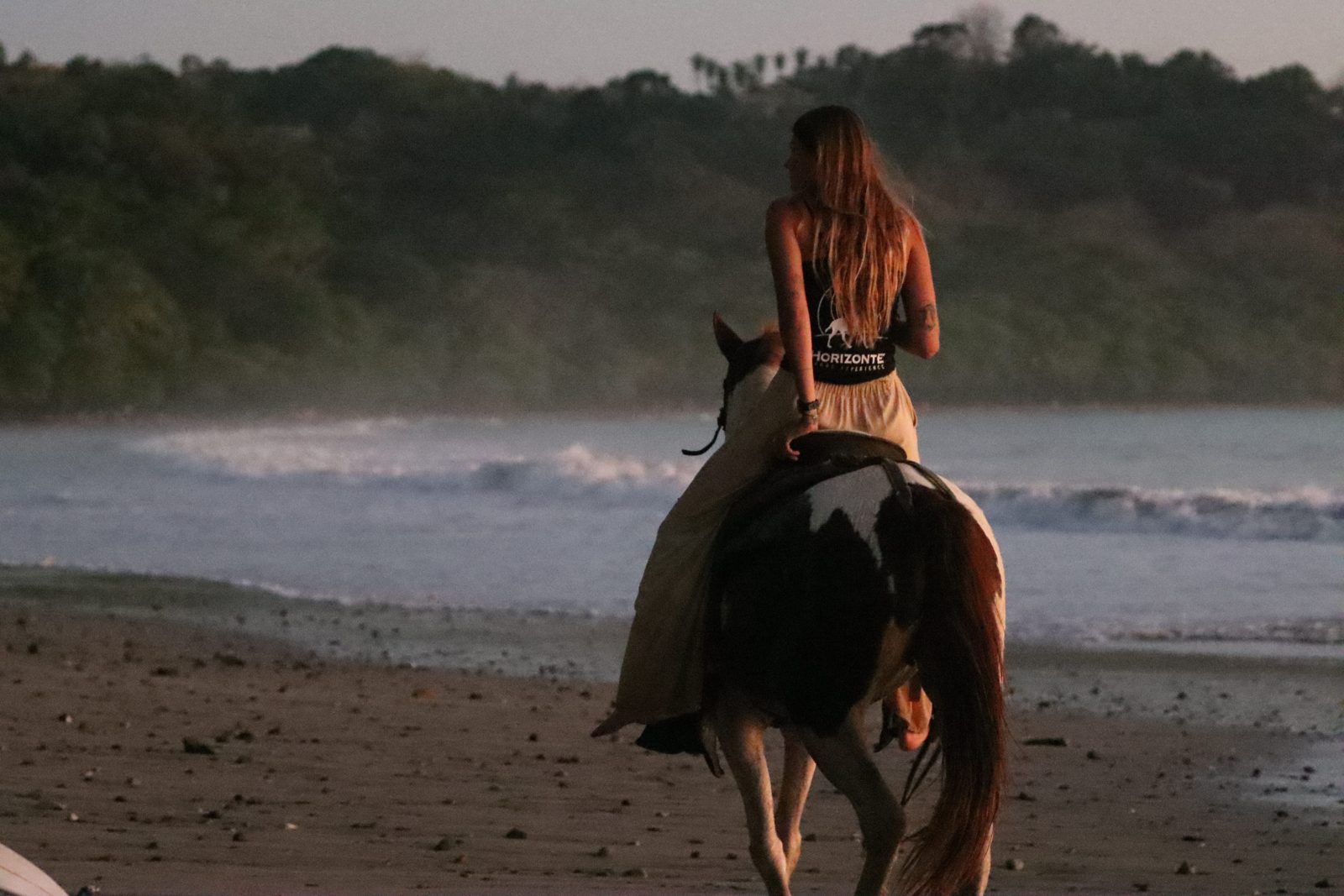
Sunset is when everyone ends up on the beach. A hammock under the palms, horses trotting past in the golden light.
After that, live music, beachfront bars and a dance if you feel like it.
Out on the coast
White-faced monkeys in the trees above the beach. A boat out to the rock arches. A river where the local kids climb the branches and jump in.
When to come
December to April
Dry season. Sunny days, offshore mornings and the most reliable waves. Busier around Christmas and February.
May to July
Green season starts. Fewer people, warm water and glassy mornings, with some afternoon rain.
August to November
Bigger swells and the quietest stretch of the year. Rain most afternoons, mornings usually golden.